The Good and the Bad of a Third Fed Mandate
There is an old saying that I remember from my early days on Wall Street that “Only Fed Chairs who defeat inflation go to Heaven”. Given Chair Powell has allowed inflation to run above the 2% target for over four years, I’m not confident about his future ethereal direction of travel. In my experience over the years, at almost every FOMC press conference, Powell has sounded more dovish than I thought he would and has proven time and again to mistakenly underestimate the persistence of inflationary pressures.
But for some, specifically the President, he has been far too cautious and should be lowering rates far more aggressively. Over the past week, betting markets have priced-in the very likely nomination of Kevin Hassett who currently serves as the Chair of the National Economic Council to be Chair Powell’s replacement next year. Whether the next Chair is Hassett or one of the other auditioning candidates, that person is going to be someone who believes in an “active third mandate” policy.
The President’s recent nominee to the Fed Stephen Miran said purposefully during his Congressional testimony, “Congress wisely tasked the Fed with pursuing price stability, maximum employment and moderate long-term interest rates.” You don’t hear much about that third piece because it has generally been seen to be the outcome of getting the first piece of the “dual mandate” right. When asked about the idea that it is within the Fed’s responsibilities to ensure “moderate” long-term interest rates Chair Powell said, “So we haven’t thought about that for a very long time as a third-mandate that requires independent action.”
Miran clearly sees things differently from Powell and so will all future nominees of the President. When Miran gave his testimony and invoked the idea of a third mandate, he was signaling to the market that he will not only strive to cut rates, but also he’s saying: don’t worry about the long-end getting away from us. So far, it has worked. The 10 yr is trading just over 4% with little volatility despite solid economic growth, CPI at 3%, and profligate deficits that will only look worse if the Supreme Court invalidates the IEEPA tariffs, which appears likely.
The presence of the third mandate is critical if the Fed really wants to run the economy hot. Let’s say for a moment that Fed becomes extremely dovish relative to expectation and lowers interest rates over 100 basis points over the next six months as Governor Miran has recommended. It is extremely likely that the long-end of the yield curve would weaken (rates up) as markets would discount higher long-term inflation. The discussion of an active third mandate solves for that problem by suggesting to the market that some form of future intervention is possible.
The good news of suppressed long-term rates is that it is stimulative to all industries, but none more than the all-important housing market. Lower long-term rates means lower mortgage rates and better housing affordability and there is no more important issue for the US consumer and voter as we head into the mid-terms next year. It also means more housing turnover, more construction and more cash-out refi’s.
It is also of course possible we get our cake and eat it too. It’s possible that inflation begins to soften and the Fed won’t even have to further discuss the third mandate. Perhaps the benefits of the current technologically driven productivity boom will offset the inflationary policy. The housing market continues to provide an important disinflationary force without being outright weak in most of the country. Labor isn’t creating much push inflation and the rollback of tariffs on many food items may also provide some sequentially softer inflation data.
The bad news would likely be seen in dollar weakness. That alone isn’t all bad of course when you are running the kind of massive trade imbalance the US manages. Dollar weakness is viewed as generally stimulative. The problem is not so much the weaker dollar, but the potential perception that the US has an explicit and active weak dollar policy. The risk is that we see a repeat of the all US asset sell-off from this spring where we had dollar weakness, weakness in Treasuries and weakness in equities. The US, for good reason, enjoys massive foreign investment and invariably some of that capital is going to make the decision that maybe an overweight position in a country seeking devaluation is less than prudent.
All that said, markets are pretty good at discounting the future and I’m not the only one making the textbook observation that lowering interest rates to below the rate of inflation and signaling a willingness to intervene at the long-end would be an overtly weak dollar policy. And yet, here we are and the dollar has been essentially sideways for the last couple months riding just above the bottom of a four-year trading range. So far, it would be hard to argue that the dovish direction of the Fed has manifested negatively on the currency or the will of foreign investors to keep pushing their chips onto the US. However, should inflation accelerate and the Fed is viewed as too dovish and they do intervene in the long-end, I would expect the dollar to break to new lows and to see a selloff in risk assets. In other words, be careful what you wish for.
About WealthVest:
WealthVest was founded in 2009 and is one of the leading distributors of fixed, indexed, and registered index-linked annuities to banks and broker-dealers. Financial institutions value WealthVest's insightful thought leadership, product design expertise, marketing strategies, technology, and specialization in field and hybrid-based sales and advisor marketing training.

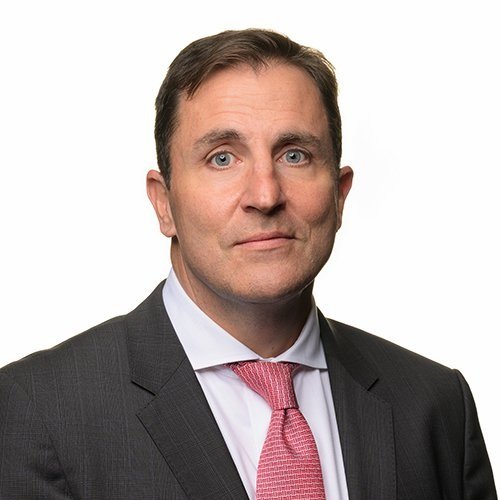
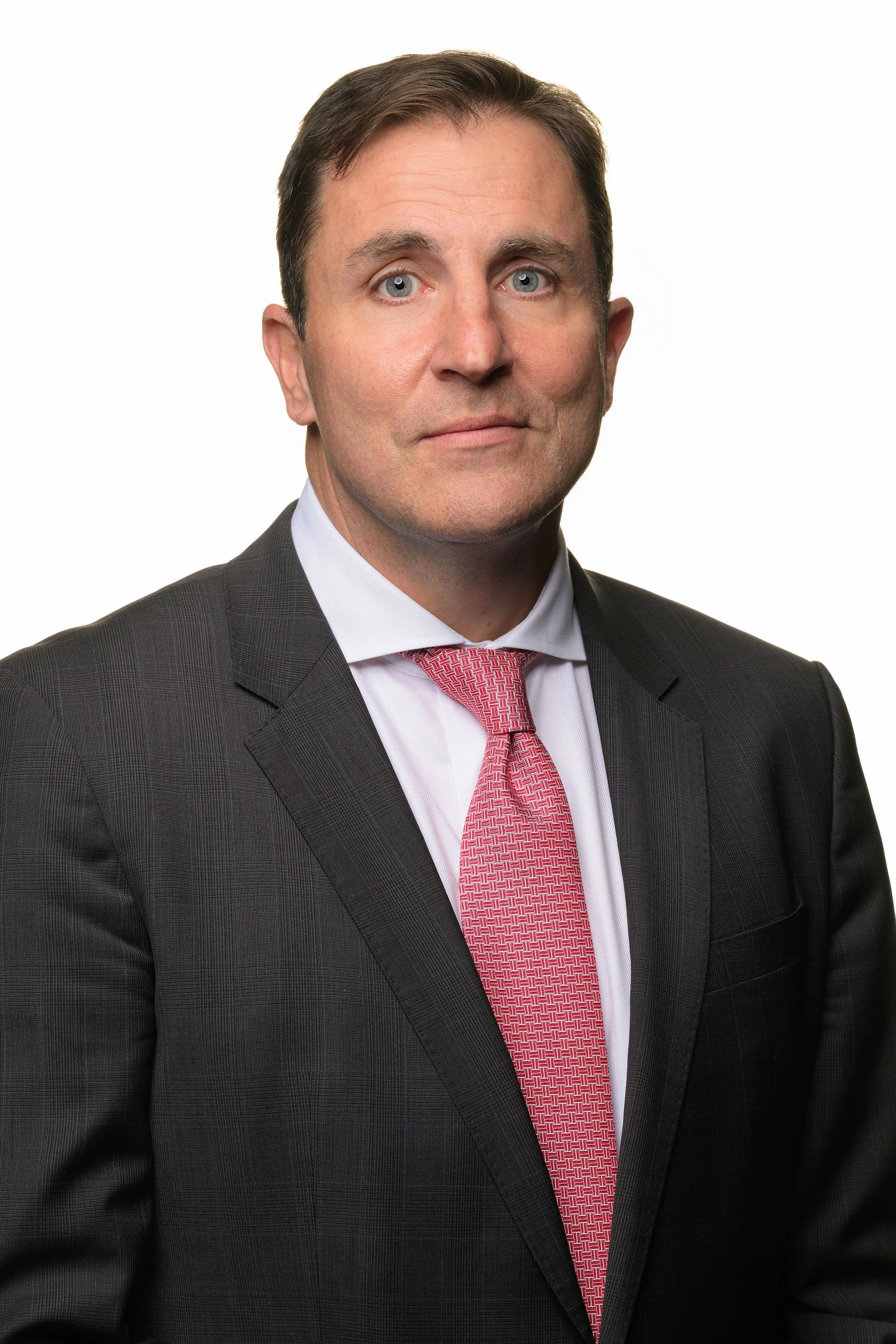
Tim Pierotti is WealthVest’s Chief Investment Strategist.
Tim has over 25 years of experience in various aspects of the equities business. Prior to joining WealthVest, Mr. Pierotti spent seven years in Equity Research management roles at Deutsche Bank and most recently at BMO where he was a Managing Director and Head of US Product Management. Tim has 11 years of investment experience most notably as Head of Consumer Research and Portfolio Manager at The Galleon Group, a former NY based $8Bln Long/Short hedge fund. Tim is a graduate of Boston College and lives in Summit NJ.
WealthVest makes no representation or warranty, expressed or implied, with respect to the accuracy, reasonableness, or completeness of any of the statements made in this material, including, but not limited to, statements obtained from third parties. Opinions, estimates and projections constitute the current judgment of Tim as of the date indicated. They do not necessarily reflect the views and opinions of WealthVest and are subject to change at any time without notice. WealthVest does not have any responsibility to update this material to account for such changes. There can be no assurance that any trends discussed during this material will continue.
Statements made in this material are not intended to provide, and should not be relied upon for, accounting, legal or tax advice and do not constitute an investment recommendation or investment advice. Investors should make an independent investigation of the information discussed in this material, including consulting their tax, legal, accounting or other advisors about such information. WealthVest does not act for you and is not responsible for providing you with the protections afforded to its clients. This material does not constitute an offer to sell, or the solicitation of an offer to buy, any security, product or service, including interest in any investment product or fund or account managed or advised by WealthVest.
Certain statements made in this material may be “forward-looking” in nature. Due to various risks and uncertainties, actual events or results may differ materially from those reflected or contemplated in such forward-looking information. As such, undue reliance should not be placed on such statements. Forward-looking statements may be identified by the use of terminology including, but not limited to, “may”, “will”, “should”, “expect”, “anticipate”, “target”, “project”, “estimate”, “intend”, “continue” or “believe” or the negatives thereof or other variations thereon or comparable terminology.
The S&P 500® is a trademark of Standard & Poor’s Financial Services, LLC and its affiliates and for certain fixed index annuity contracts is licensed for use by the insurance company producer, and the related products are not sponsored, endorsed, sold or promoted by S&P Dow Jones Indices LLC or their affiliates, none of which make any representation regarding the advisability of purchasing such a product. WealthVest is not affiliated with, nor does it have a direct business relationship with Standard & Poors Financial Services, LLC.